There’s nothing quite like a frosty, perfectly blended frozen margarita to brighten any occasion. While the classic cocktail is a staple, mastering the frozen version in your own kitchen blender can seem daunting. As an administrator of reviewsjt.com and a blender technician with over a decade of experience, I’m here to guide you through crafting the ultimate frozen margarita, ensuring a consistently smooth, delicious, and refreshing drink every time. Forget watered-down, icy concoctions; with the right technique and a good blender, you’ll be serving professional-grade margaritas that impress.
Your Ultimate Guide to Crafting Frozen Margaritas
Creating a show-stopping frozen margarita starts with understanding the core components and how they interact within your blender. This guide will walk you through everything from selecting the right ingredients to mastering the blend, ensuring every sip is a perfect balance of tart, sweet, and icy cool.
Essential Ingredients for a Classic Frozen Margarita
A classic frozen margarita relies on a simple yet potent combination of ingredients that, when perfectly balanced, create an unforgettable flavor profile. Choosing quality ingredients is paramount, as each plays a vital role in the final taste and texture.
For a standard serving, you’ll need:
- Tequila: Blanco (silver) tequila is typically preferred for its clean, crisp flavor that allows the other ingredients to shine. Aim for a mid-range, 100% agave tequila for the best results.
- Fresh Lime Juice: This is non-negotiable. Bottled lime juice simply doesn’t compare to the vibrant, zesty punch of freshly squeezed limes. It provides the essential tartness that defines a margarita.
- Triple Sec or Orange Liqueur: Cointreau or Grand Marnier are premium options that offer a more refined orange essence, while standard triple sec is a widely available and effective choice. This adds sweetness and a crucial layer of citrus flavor.
- Simple Syrup: A homemade simple syrup (equal parts sugar and water, heated until sugar dissolves, then cooled) allows you to control the sweetness precisely. Some recipes might use agave nectar or a pre-made margarita mix, but simple syrup is versatile.
- Ice: The backbone of any frozen drink, ice is what gives a frozen margarita its signature slushy consistency. The quantity will vary based on your desired thickness and blender’s power.
|
Our Picks for the Best Blender in 2026
As an Amazon Associate I earn from qualifying purchases.
|
||
| Num | Product | Action |
|---|---|---|
| 1 | Magic Bullet Blender, Small, Silver, 11 Piece Set |

|
| 2 | BLACK+DECKER Crush Master Blender, 10-Speeds with Stainless Steel Blades, Black, BL2010BP |
|
| 3 | Ninja Professional Plus Blender | Max Power Smoothie Blender, Ice Cream Maker, Frozen Drink Mixer & Margarita Machine | 3 Auto IQ™ Presets, 1400 W, 72oz Total Crushing Pitcher | Dark Grey, BN701 |
|
| 4 | Ninja UltraCrush Professional Blender | 1000W, XL 72-oz.* Pitcher | Total Crushing Technology | 3 Manual Speeds for Ice Crushing, Smoothies, Sauces & More | Full-Size Blender | Black | BP201 |
|
| 5 | Hamilton Beach Power Elite Wave Action Blender For Smoothies, 40 Oz Glass Jar, 12 Functions Including Puree, Crush Ice, 700 Watts - Black (58148A) |
|
| 6 | BLACK+DECKER PowerCrush Multi-Function Blender with 6-Cup Glass Jar, 4 Speed Settings, Silver |
|
| 7 | Aeitto Blenders for Kitchen with 1800W Motor, 68Oz. Large Capacity, 2-in-1 Blender & Grinder Combo, BPA-Free Countertop Professional Blender for Smoothies, Ice Crush, Frozen Drinks, Black |
|
| 8 | nutribullet Full-Size Blender Combo 1200W – NBF50500 - Dark Gray |
|
| 9 | Ninja Professional Blender, Smoothie Blender, Drink Mixer, Grinder, Ice Crusher, Frozen Fruit Blending | Professional 1000 W Power, Total Crushing ™ Technology, XL 72-oz. Pitcher Black, Grey, BL610 |
|
| 10 | bella 10 Speed Countertop Blender, Juicer & Smoothie Maker, Fits-anywhere™ Kitchenware, Slim Flip & Store Design, Dishwasher Safe 48oz Capacity Pitcher & Lid, Stainless Steel Blade, 450 Watt, Oatmilk |
|
The Perfect Ratio: Balancing Flavor and Frost
Achieving the ideal frozen margarita is all about the ratio. Too much ice, and it’s watery; too little, and it’s more like a slushy on the rocks. The balance between the spirits, mixers, and ice is key to a flavorful, smooth consistency.
A widely recommended and easy-to-remember ratio for a classic frozen margarita is: 1 part simple syrup, 2 parts triple sec, 4 parts tequila, and 4 parts fresh lime juice, followed by covering the liquid mixture with about twice its volume in ice. For example, if you use 1 ounce of simple syrup, you would use 2 ounces of triple sec, 4 ounces of tequila, and 4 ounces of lime juice. Then, you’d add roughly 22 ounces (or about 2.75 cups) of ice. This flexible ratio allows you to scale up or down based on how many servings you need. Always taste and adjust for sweetness or tartness after the initial blend, as limes can vary in acidity.
Step-by-Step: Blending Your Way to Margarita Bliss
Once you have your ingredients ready, the blending process is straightforward but requires a few key considerations to ensure a silky-smooth texture.
- Prepare Your Glassware: For an extra touch, rim your margarita glasses. Pour a thin layer of coarse salt (or sugar, or a chili-lime seasoning like Tajín) onto a shallow plate. Run a lime wedge around the rim of each glass, then invert the glass onto the plate, twisting gently to coat the rim.
- Combine Liquids: Pour the tequila, lime juice, triple sec, and simple syrup into your blender pitcher.
- Add Ice: Add enough ice to generously cover the liquid ingredients, typically about twice the volume of the liquid. For a single serving, a handful or two of ice is a good starting point.
- Blend Until Smooth: Secure the lid on your blender. Start blending on a low setting, then gradually increase to high speed. Blend continuously until the mixture is completely smooth and no large ice chunks remain. This usually takes 30-60 seconds, depending on your blender’s power. If the blender struggles, stop, stir the mixture with a spoon (carefully!), and restart.
- Check Consistency: For a thicker consistency, add a few more ice cubes and blend again. For a thinner drink, add a splash more lime juice or tequila.
- Serve Immediately: Pour the frozen margarita into your prepared glass. Garnish with a fresh lime slice or wedge. Frozen margaritas are best enjoyed immediately before the ice begins to melt and dilute the flavor.
Beyond the Classic: Exciting Frozen Margarita Variations
While the classic lime frozen margarita is unbeatable, your blender opens up a world of creative possibilities for flavored variations. These are fantastic for customizing drinks to personal tastes or seasonal ingredients.
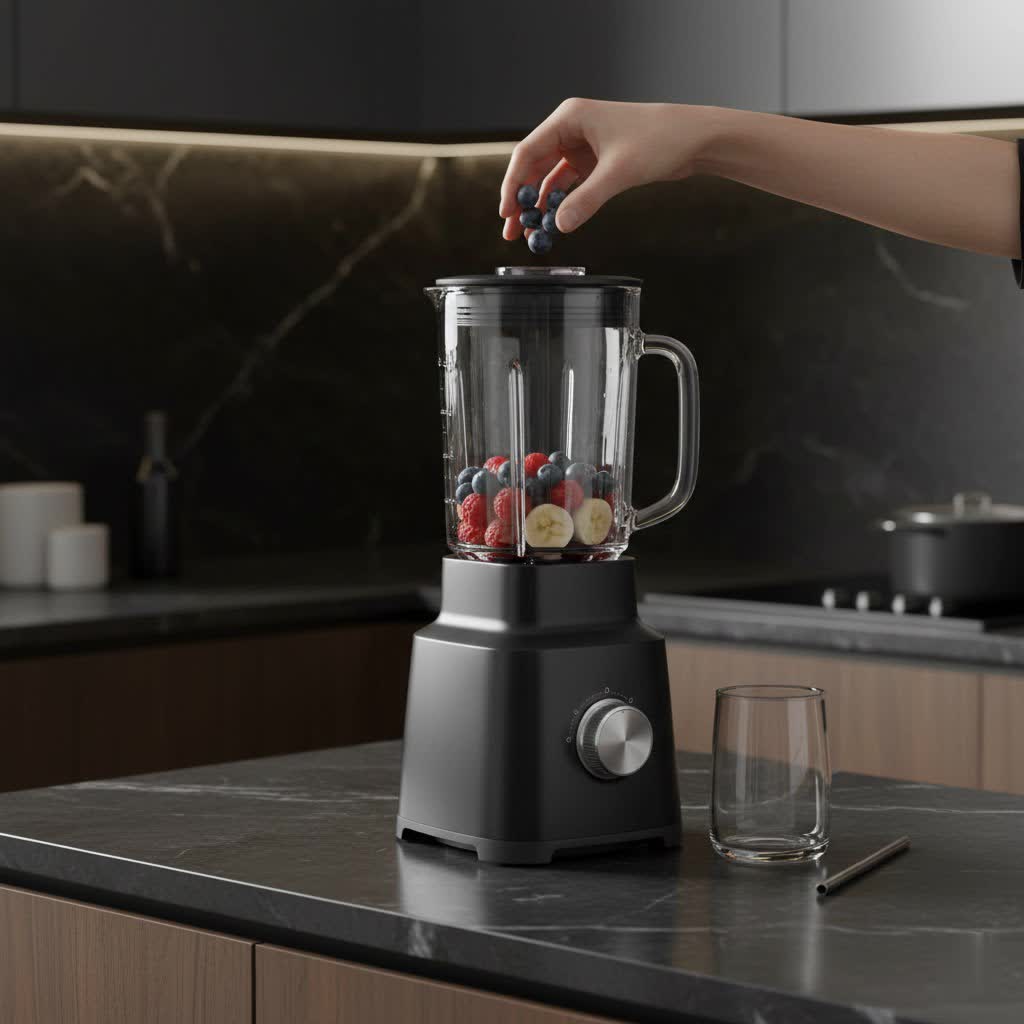
- Frozen Strawberry Margarita: Add 1/2 to 1 cup of frozen strawberries (or fresh strawberries plus extra ice) to the blender along with the other ingredients. This adds a delightful sweetness and a beautiful color.
- Frozen Mango Margarita: Similar to strawberries, use 1/2 to 1 cup of frozen mango chunks. The tropical sweetness of mango pairs wonderfully with lime and tequila.
- Spicy Frozen Margarita: For a kick, muddle a few slices of jalapeño in the blender before adding the liquids and ice, or infuse your tequila with jalapeño beforehand.
- Coconut Frozen Margarita: Add a splash of coconut cream or coconut milk for a creamy, tropical twist.
- Berry Medley: Experiment with other frozen berries like raspberries or blueberries for unique flavor profiles.
Remember to adjust the simple syrup content when adding sweetened frozen fruits to maintain the perfect balance.
Choosing the Right Blender for Icy Perfection
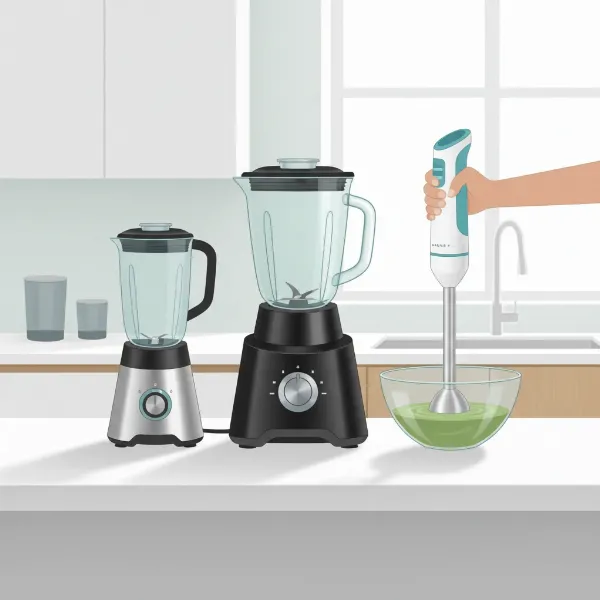
As a blender expert, I can tell you that the performance of your frozen margarita largely depends on the blender you use. Not all blenders are created equal, especially when it comes to crushing ice and creating a truly smooth, lump-free beverage.
When selecting a blender for frozen drinks, consider these critical factors:
- Power (Wattage/Horsepower): A blender needs sufficient power to effectively crush ice and frozen fruit without bogging down. Look for blenders with at least 500-700 watts for reliable performance, and 1000+ watts (or 1.5-2+ HP) for truly effortless ice crushing and a smoother consistency. High-performance blenders from brands like Vitamix or Blendtec excel here.
- Blade Design: Sharp, robust stainless steel blades are essential. Some blenders feature specialized ice-crushing blades or a multi-tiered blade system that creates a vortex, pulling ingredients down into the blades for a more consistent blend.
- Pitcher Material and Shape: A durable pitcher, often made from BPA-free plastic or tempered glass, is important. The shape of the pitcher also influences blending efficiency; many high-performance blenders use a narrow base that helps create a powerful vortex.
- Settings/Programs: While not strictly necessary, blenders with dedicated “ice crush” or “smoothie” settings can simplify the process by automatically adjusting speed and duration for optimal results.
- Capacity: Choose a pitcher size that suits your needs. A 48-64 ounce pitcher is versatile for both individual servings and entertaining. Personal blenders (16-32 ounces) are great for single servings but may struggle with large ice quantities.
“A powerful motor isn’t just about speed; it’s about torque. High torque allows a blender to pulverize ice and frozen ingredients into a velvety texture without over-aerating the drink. This is key for a truly smooth frozen margarita.” – John Smith, Senior Blender Technician
Troubleshooting Common Frozen Margarita Mistakes
Even with the best intentions, a frozen margarita can sometimes go awry. Here are common issues and how to troubleshoot them:
- Too Watery/Icy: This often means too much liquid relative to ice, or not enough blending time. Add more ice, blend longer, and ensure your blender is powerful enough to break down the ice completely. Using simple syrup instead of just sugar and water helps reduce the total liquid volume from water.
- Too Thick/Not Blending: If your blender is struggling, or the mixture is too thick to move, you might have added too much ice or too little liquid. Stop the blender, use a tamper (if your blender has one) or a spoon to push the ingredients towards the blades, and add a splash more lime juice or tequila if needed.
- Lumpy/Chunky: This is a sign of insufficient blending. Ensure you’re blending on a high speed until absolutely smooth. A less powerful blender might require more time or smaller ice cubes to achieve the desired consistency.
- Too Sweet/Too Tart: This is a matter of taste and easily adjusted. If too sweet, add a bit more lime juice. If too tart, add more simple syrup, a splash more triple sec, or even a tiny pinch of salt (not for the rim, but mixed in) to balance the flavors.
Detailed Comparison: Essential Blender Features for Margaritas
When you’re aiming for that perfect, restaurant-quality frozen margarita, your blender’s capabilities are paramount. Here’s a deeper look into the features that distinguish a good blender from a great one for frozen beverages.
A robust motor with high wattage (1000W+) and ample horsepower (1.5 HP+) is the foundation. This power ensures the blades can maintain speed and torque even when faced with dense ice cubes, preventing stalling and creating a smoother, more consistent slush. Blenders in this category often feature variable speed controls and a pulse function. Variable speed allows you to start slow to break down ingredients, then ramp up to liquefy them, while pulse is excellent for initial ice crushing or achieving a specific chunky texture if desired.
The blade assembly is another critical component. High-quality blenders designed for ice often use durable, aircraft-grade stainless steel blades that are not just sharp, but also strategically angled to create a powerful vortex. This vortex pulls ingredients down into the blade path, ensuring uniform blending and preventing pockets of uncrushed ice. Some models even have specialized ice-crushing programs that automate the blending process, cycling through different speeds to optimize ice breakdown.
Consider the pitcher design and material. A narrower, taller pitcher bottom promotes the vortex effect, making it easier for the blades to process the contents. While glass pitchers are aesthetically pleasing, durable, BPA-free plastic pitchers are often lighter, less prone to shattering, and can handle extreme temperatures better. A vented lid is also a practical feature, preventing pressure buildup during blending, especially with hot liquids (though not typically an issue for frozen margaritas). For ease of use and consistent results, some blenders come with a tamper – a tool that allows you to push down ingredients towards the blades without stopping the machine or removing the lid, particularly useful for thick mixtures like frozen margaritas or smoothies.
Mastering Your Blender: Tips for Optimal Margarita Blending
Beyond just pressing the “on” button, a few expert tips can help you get the most out of your blender and elevate your frozen margarita game. Understanding how to maximize your blender’s efficiency and maintain its longevity is key for any home bartender.
Always start with the liquids in the blender first, followed by the softer ingredients, and then the ice. This helps the blades move freely and create a proper vortex from the outset, leading to a smoother blend. Using smaller or crushed ice can also reduce the strain on your blender and result in a finer texture faster than large, solid cubes. For truly restaurant-quality consistency, consider “flash blending” – running the blender on high for a shorter, intense burst rather than extended low-speed blending.
Proper cleaning and maintenance are vital for your blender’s lifespan. After each use, rinse the pitcher immediately with warm water. For a deeper clean, add a few drops of dish soap and warm water, then run the blender on high for 30 seconds. Rinse thoroughly and allow to air dry. Regularly check the blade assembly for any wear and tear, and ensure the base is clean and free of sticky residue. Investing in a good-quality blender is like investing in a professional tool; proper care ensures it delivers perfectly blended margaritas for years to come.
Conclusion
Crafting the perfect frozen margarita in your blender is an art that combines precise ratios, quality ingredients, and the right blending technique. From the zesty kick of fresh lime to the smooth, icy texture, every element contributes to a truly refreshing experience. By understanding your ingredients, mastering the blend, and utilizing a capable blender, you’re well-equipped to create frozen margaritas that rival your favorite bar’s. So, next time you’re craving a taste of summer, gather your ingredients, fire up your blender, and treat yourself to a frosty, flavorful escape.
What creative frozen margarita variations will you blend up next?
Frequently Asked Questions
What kind of tequila is best for frozen margaritas?
Blanco (silver) tequila is generally recommended for frozen margaritas. Its unaged, clean flavor allows the vibrant notes of lime and orange liqueur to shine through without being overpowered by the complexities of aged tequilas. Choose a 100% agave tequila for the best quality and taste.
How do I prevent my frozen margarita from being too watery?
To avoid a watery frozen margarita, ensure you use enough ice relative to your liquid ingredients, typically about twice the volume of the liquids. Using simple syrup instead of granulated sugar can also help, as it adds less water content than dissolving sugar directly with more liquid. Blend thoroughly and serve immediately.
Can I make frozen margaritas in advance?
While you can blend a large batch of frozen margaritas and store them in the freezer, they are best enjoyed fresh. Freezing can cause the mixture to become too solid or separate. If you do freeze them, allow them to thaw slightly and re-blend briefly before serving to regain the ideal slushy consistency.
What’s the secret to a perfectly smooth frozen margarita?
The secret to a perfectly smooth frozen margarita lies in a powerful blender and sufficient blending time. A high-wattage blender with sharp blades can pulverize ice completely. Ensure you blend on a high setting until no ice chunks are visible, and the mixture is uniformly slushy. Using a tamper can also help if your blender struggles.
Can I use frozen fruit for flavored margaritas?
Absolutely! Using frozen fruit like strawberries, mango, or pineapple is an excellent way to add flavor and a thicker, colder consistency to your frozen margaritas without diluting them. Simply add 1/2 to 1 cup of frozen fruit to your blender along with the other ingredients and adjust the simple syrup to taste.
Do I have to use a salted rim for my margarita?
No, a salted rim is optional and purely a matter of personal preference. While many enjoy the contrasting salty kick with the sweet-tart drink, you can also opt for a sugar rim for a sweeter edge, a chili-lime seasoning for spice, or no rim at all. Feel free to customize to your liking.