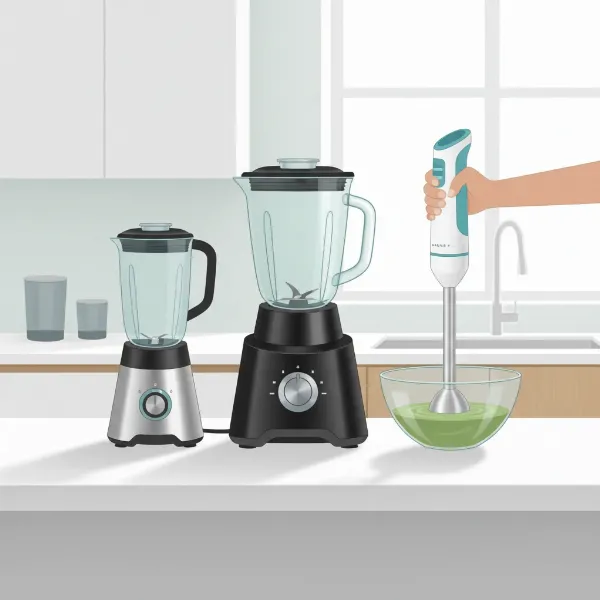
Are you tired of constantly replacing cloudy plastic blender pitchers, or perhaps worried about what might be leaching into your healthy smoothies? Many modern blenders still rely on plastic components, raising concerns for health-conscious individuals about bisphenol A (BPA) and other chemicals. For those seeking peace of mind and superior durability, a blender with a glass pitcher offers an ideal solution. This comprehensive guide will explore the top BPA-free glass blenders on the market, detailing their features, benefits, and how to choose the perfect model to complement your kitchen and lifestyle.
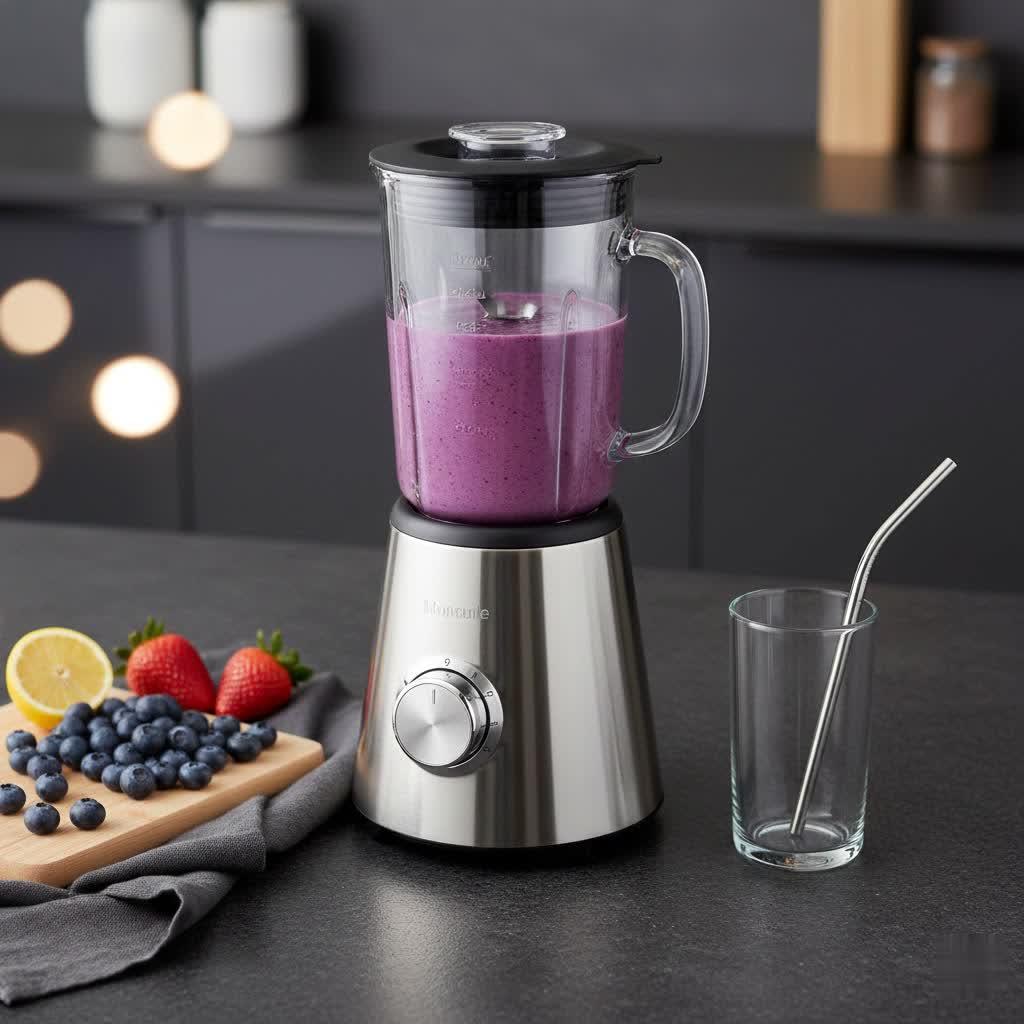
Your Detailed Guide to Buying the Best Glass Blender
Choosing the right blender can transform your culinary routine, making everything from daily smoothies to sophisticated sauces a breeze. When focusing on models with glass pitchers, you’re investing in both performance and health.
Why Choose a Glass Pitcher Blender? The BPA-Free Advantage
Table is empty.The preference for glass blenders stems from several compelling benefits that plastic alternatives often can’t match. Primarily, glass pitchers are inherently BPA-free, meaning you don’t have to worry about potentially harmful chemicals leaching into your food, especially when blending warm or hot ingredients. This provides a significant health advantage and peace of mind.
Beyond health, glass offers superior durability and hygiene. It’s naturally scratch-resistant, maintaining its crystal-clear appearance over time, unlike plastic which can become cloudy and scratched with repeated use. Glass also resists absorbing food odors and stains, ensuring that your savory soup doesn’t taste like yesterday’s berry smoothie. Its premium feel and elegant transparency are an added aesthetic bonus, making it a stylish addition to any kitchen countertop. While some high-powered blenders opt for plastic for shatter resistance at extreme speeds, many excellent glass blenders deliver robust performance for everyday needs.
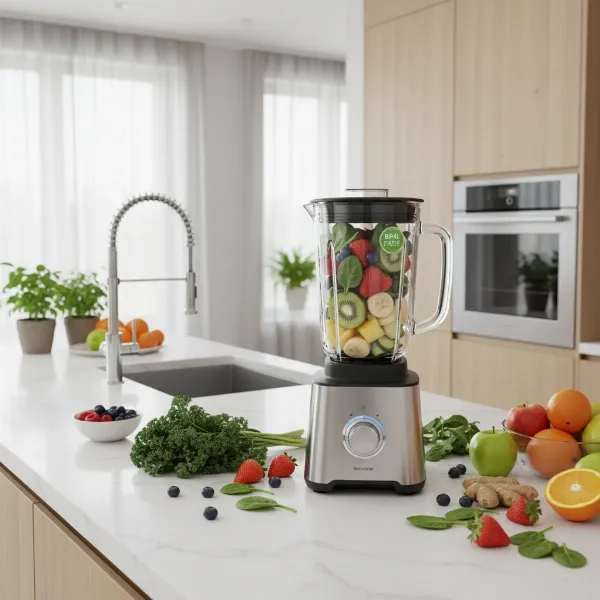 A sleek glass blender pitcher next to fresh fruits and vegetables, emphasizing health benefits and BPA-free.
Types of Blenders with Glass Pitchers
While the market for glass blenders may be more niche than plastic, there are still several types available to suit different blending requirements:
- Countertop Blenders: These are the most common type, designed for a variety of tasks from crushing ice and making smoothies to pureeing soups and sauces. They typically feature powerful motors and larger capacities, making them suitable for families or those who blend frequently.
- Specialized Blenders (e.g., Hot & Cold Blenders): Some advanced glass blenders come with built-in heating elements, allowing you to not only blend ingredients but also cook and heat them directly in the pitcher. This is ideal for making hot soups or sauces from scratch without needing a separate pot.
Key Factors to Consider When Selecting a Glass Blender
When narrowing down your choices, several important considerations will help you find the best glass blender for your needs:
- Motor Power (Watts): This determines the blender’s ability to handle tough ingredients. For crushing ice, blending frozen fruits, or making nut butters, look for blenders with higher wattage. While glass blenders might not reach the extreme power levels of some professional plastic models, many offer ample power for common household tasks.
- Pitcher Capacity (Ounces): Consider your typical batch size. Do you make single-serving smoothies or blend large quantities for a family? Standard capacities range from 48 to 72 ounces.
- Glass Quality and Design: Opt for pitchers made from tempered or silicate-resistant glass, which can withstand temperature changes and stress without cracking. The design of the pitcher, including its shape and spout, can also impact blending efficiency and ease of pouring.
- Blade Material and Design: Look for durable stainless steel blades, preferably multi-level or specially designed to create a powerful vortex for thorough blending. Removable blades can also simplify cleaning.
- Speed Settings and Programs: A range of manual speed options provides control over texture, while pulse functions are great for quick bursts or chopping. Preset programs for common tasks like smoothies, ice crush, or purees can offer added convenience.
- Ease of Cleaning: Many glass pitchers are dishwasher safe. For blenders with fixed blades, consider models with a self-cleaning function or designs that allow for easy access to clean around the blades.
- Stability and Noise Level: A sturdy base prevents wobbling during operation, and while blenders can be noisy, some models are engineered for quieter performance.
- Brand Reputation and Warranty: Established brands often offer better product support and warranties, which can be crucial for an appliance you’ll use regularly.
- Price: Glass blenders are available across various price points. Determine your budget and look for the best features and durability within that range.
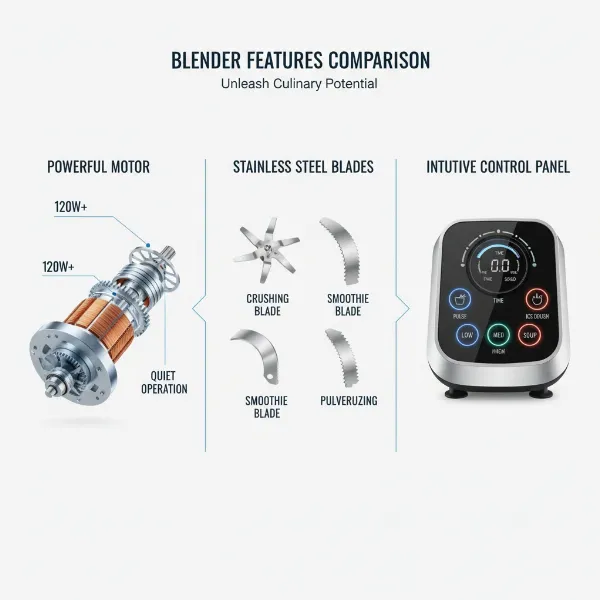 A side-by-side comparison of different blender features like motor power, blade types, and control panels for informed buying decisions.
Top-Rated Glass Blenders for Every Budget
Based on performance, features, and user satisfaction, here are some of the best glass blenders that offer excellent value and reliability:
- Oster Pro 1200 Blender: Often lauded as a top pick, the Oster Pro 1200 provides good power and features for its price. It boasts a 6-cup silicate glass pitcher that is both temperature and stress-resistant, an all-metal drive, and reversing blade action. With preset programs for smoothies and chopping, it’s a versatile and durable choice.
- Ninja Foodi Cold & Hot Blender: This model stands out with its 64-ounce glass main jar and a built-in heating element, allowing it to cook ingredients as it blends. It excels at crushing ice and making smooth purées, making it suitable for everything from frozen drinks to hearty soups. While its fixed blades can be a bit more challenging to clean, its multi-functionality is a major draw.
- Ninja BL660 Professional Glass Blender: For those seeking robust power, the Ninja BL660 offers an impressive 1100-watt motor, ensuring excellent blending results across a wide range of ingredients. Its large 72-ounce total crushing pitcher is perfect for families, and the entire unit, including the pitcher and Nutri Ninja cups, is BPA-free. This blender combines power and versatility for diverse culinary creations.
- Hamilton Beach Power Elite 58148A: A strong contender for the best value, this Hamilton Beach model offers reliable performance at an accessible price point. Its Wave Action system ensures smooth blending by continuously pulling ingredients down into the blades.
- Other Noteworthy Mentions: Brands like JOYOUNG, Brentwood, and Black+Decker also offer various glass pitcher blenders, catering to different power and feature requirements, often providing excellent budget-friendly options for specific needs.
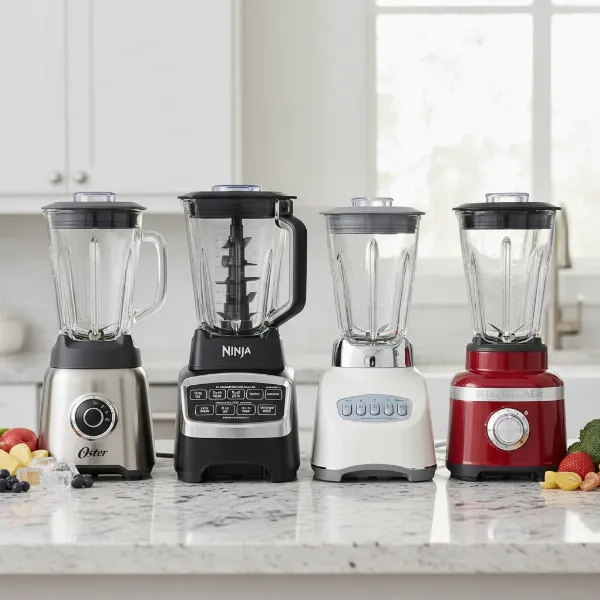 An array of top-rated glass blenders, showcasing different brands and designs, arranged for comparison and visual appeal.
Using and Maintaining Your Glass Blender for Longevity
Proper usage and maintenance are key to extending the life of your glass blender and ensuring its continued performance:
- Safe Usage: Always ensure the lid is securely in place before operating. Avoid overfilling the pitcher, as this can strain the motor and lead to spills. For hot liquids, fill the pitcher only halfway and remove the center cap to allow steam to escape.
- Cleaning: The beauty of glass is its ease of cleaning. Most glass pitchers are dishwasher safe. For hand washing, a quick rinse immediately after use is best. For sticky ingredients, fill the pitcher with warm water and a drop of dish soap, then run the blender on low for about 30 seconds before rinsing thoroughly. For blenders with fixed blades, a long-handled brush can help reach under and around the blades.
- Storage: Store your blender in a dry, safe place to prevent accidental bumps or drops. Ensure all parts are completely dry before reassembling to avoid moisture buildup.
- Troubleshooting: Familiarize yourself with common troubleshooting tips in your blender’s manual. Many minor issues can be resolved with simple adjustments, like ensuring the pitcher is correctly seated on the base or not overloading the ingredients.
Compare the Leading Glass Pitcher Blenders
To help you visualize the differences and make an informed decision, here’s a comparison of some popular glass blenders:
| Model | Motor Power (Watts) | Capacity (Ounces) | Key Features | Pros | Cons | Price Range |
|---|---|---|---|---|---|---|
| Oster Pro 1200 | 1200 | 48 (glass) | Reversing blade, 7 speeds, preset programs | Durable metal drive, good for ice, versatile, strong warranty | Not as powerful as some high-end plastic blenders | Mid-Range |
| Ninja Foodi Cold & Hot | 1000 | 64 (glass) | Built-in heating element, Auto-iQ programs | Cooks & blends, excellent for soups and sauces, powerful ice crushing | Fixed blades can be harder to clean, heavier due to heating element | High-End |
| Ninja BL660 Professional | 1100 | 72 (glass) | Total Crushing Technology, multiple speeds | Very powerful, large capacity, includes Nutri Ninja cups | Can be noisy at high speeds | Mid-High |
| Hamilton Beach Power Elite | 700-800 | 40 (glass) | Wave Action system, multiple speeds, pulse function | Excellent value, consistent blending, easy to use | Less power for very tough ingredients compared to premium models | Budget |
(Note: Prices are approximate and may vary by retailer and promotions.)
Smart Buying Advice for Your Next Glass Blender
Finding the perfect glass blender means understanding your needs and prioritizing features. If daily smoothies are your staple, a powerful motor and easy-to-clean design are paramount. For those who love making hot soups or sauces, a model with a heating element could be a game-changer. Always consider the capacity based on how many servings you typically prepare. Reading detailed user reviews can also provide invaluable insights into real-world performance and durability. Ultimately, a glass pitcher blender is not just an appliance; it’s an investment in healthier habits and a more elegant kitchen experience.
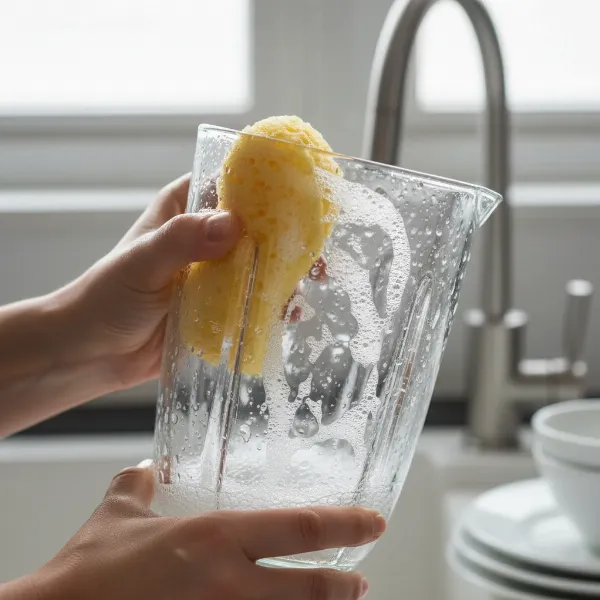 Hands cleaning a glass blender pitcher with soap and water, demonstrating proper maintenance for extended longevity.
Frequently Asked Questions
Are glass blenders as powerful as plastic blenders?
Generally, high-end blenders with very powerful motors often use plastic pitchers for safety reasons, as glass is more prone to shattering at extreme speeds. However, many glass blenders offer ample power for common tasks like smoothies, sauces, and ice crushing, perfectly meeting the needs of most home cooks.
Is “BPA-free” plastic truly safe?
While “BPA-free” plastic is designed to remove a known harmful chemical, some experts suggest that other chemicals used in plastic might also pose health risks, particularly when exposed to heat or harsh ingredients. Opting for a glass pitcher eliminates these concerns entirely, offering the purest blending experience.
How do I clean a glass blender pitcher?
Most glass pitchers are dishwasher safe for convenience. For hand washing, a common method is to fill the pitcher with warm water and a drop of dish soap, then run the blender on low for about 30 seconds. This helps dislodge food particles before a final rinse. For blenders with fixed blades, using a bottle brush can aid in thorough cleaning.
Can I use a glass blender for hot liquids?
Yes, many glass pitchers are specifically designed to be temperature resistant, making them suitable for blending hot liquids like soups. However, always check your manufacturer’s instructions and never fill the pitcher completely with hot liquids to allow for expansion and prevent pressure buildup.
What’s the typical lifespan of a glass blender?
With proper care and maintenance, a good quality glass blender can last for many years. The longevity often depends on the motor’s durability, and some reputable brands offer extended warranties on their motors, indicating their confidence in the product’s lifespan.
Are there any specific safety tips for using glass blenders?
To ensure safety, always make sure the blender pitcher is securely seated on the base before starting, and never operate it without the lid. Avoid sudden impacts or drops, as glass can shatter. For hot liquids, allow them to cool slightly before blending and use caution.
What delicious creation will you make first with your new glass blender?