Choosing a new blender can be an exciting journey toward healthier living and culinary exploration. Amidst the array of features, motor powers, and design aesthetics, one critical decision often goes overlooked: the material of your blender jar. This choice significantly impacts your blending experience, influencing everything from durability and safety to cleaning ease and even the taste of your creations. Are you leaning towards the classic purity of glass or the modern resilience of plastic? This guide will break down the advantages and disadvantages of each, helping you navigate this essential decision to find the perfect pitcher for your kitchen.
A Deep Dive into Blender Jar Materials
The material of your blender jar is more than just a preference; it’s a fundamental aspect that dictates how your appliance performs and endures. Understanding the unique characteristics of glass and plastic is the first step toward making an informed choice that aligns with your blending habits and lifestyle.
Glass Blender Jars: The Premium Choice
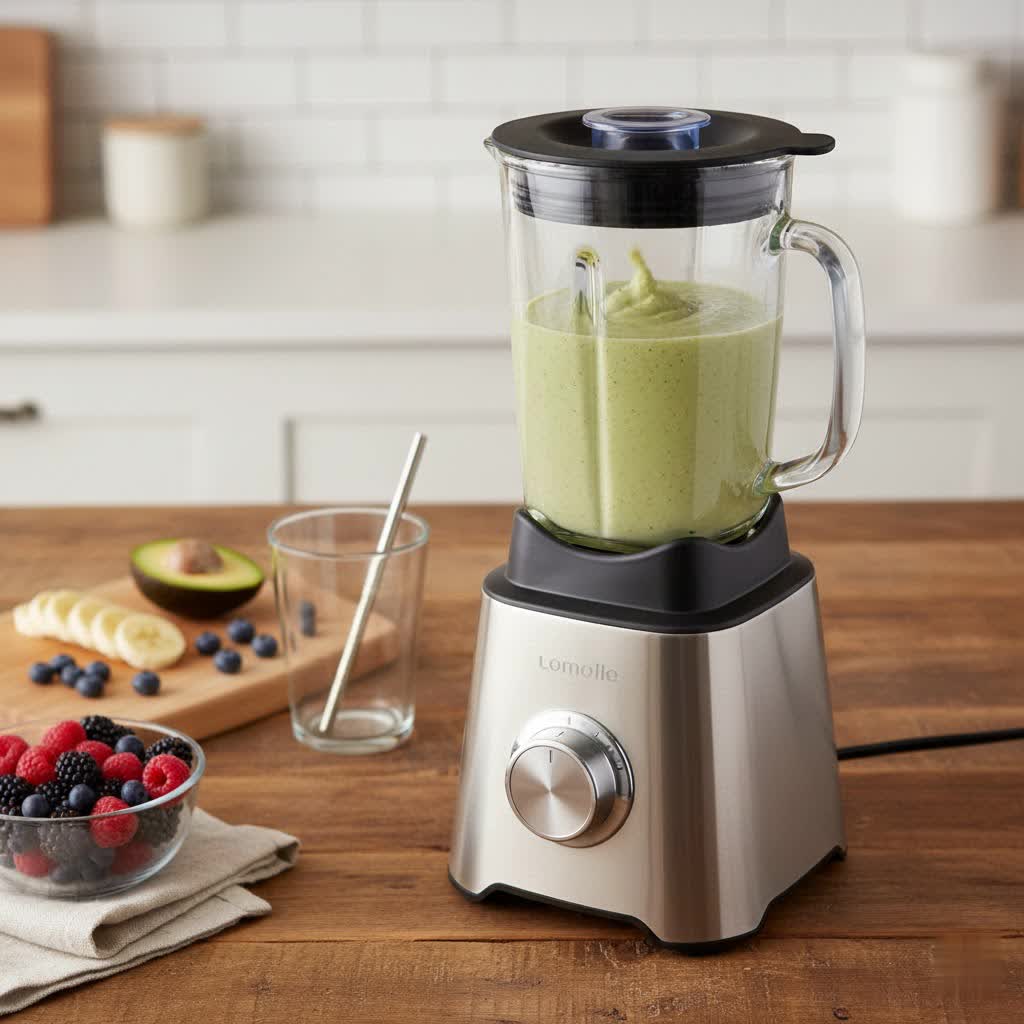
Glass jars often embody a sense of classic elegance and robust quality, offering a traditional feel that many users appreciate. Typically heavier and perfectly clear, they are a staple in many kitchens.
Glass offers several compelling advantages that make it a favorite for many users. Its natural resistance to scratches ensures that your jar maintains its pristine clarity even after months of blending ice or nuts, preventing the cloudy appearance often seen in well-used plastic. For those who enjoy preparing hot soups or sauces, glass is a safer option as it resists warping under heat and does not leach chemicals into your food. Furthermore, ingredients like turmeric, tomatoes, or curry, which commonly leave stubborn stains and odors in plastic, pose little threat to glass, preserving the purity of your blended flavors. Beyond functionality, glass provides a premium feel and aesthetic appeal, and its recyclability makes it an environmentally friendly choice.
However, glass also comes with notable drawbacks. Its heavier weight can make it more challenging to handle, especially when full. The most significant concern is its fragility; glass is prone to shattering if dropped or if hard ingredients like frozen fruit or ice cubes are flung against its side, particularly with powerful blenders. This safety concern is why many high-end blender manufacturers, like Vitamix and Blendtec, opt for plastic jars, as glass is not recommended for high-impact, high-speed blending. Consequently, glass jars are often found with blenders of lower power and generally come with a higher price tag.
- Ideal User: Glass jars are best suited for individuals who prioritize chemical-free blending, value aesthetics, and are careful with their appliances. They are excellent for everyday smoothies, sauces, and moderate blending tasks, especially those involving hot ingredients, where the risk of heavy impact is low.
|
Our Picks for the Best Blender in 2026
As an Amazon Associate I earn from qualifying purchases.
|
||
| Num | Product | Action |
|---|---|---|
| 1 | Magic Bullet Blender, Small, Silver, 11 Piece Set |

|
| 2 | bella 10 Speed Countertop Blender, Juicer & Smoothie Maker, Fits-anywhere™ Kitchenware, Slim Flip & Store Design, Dishwasher Safe 48oz Capacity Pitcher & Lid, Stainless Steel Blade, 450 Watt, Oatmilk |
|
| 3 | Aeitto Blenders for Kitchen with 1800W Motor, 68Oz. Large Capacity, 2-in-1 Blender & Grinder Combo, BPA-Free Countertop Professional Blender for Smoothies, Ice Crush, Frozen Drinks, Black |
|
| 4 | BLACK+DECKER PowerCrush Multi-Function Blender with 6-Cup Glass Jar, 4 Speed Settings, Silver |
|
| 5 | Hamilton Beach Power Elite Wave Action Blender For Smoothies, 40 Oz Glass Jar, 12 Functions Including Puree, Crush Ice, 700 Watts - Black (58148A) |
|
| 6 | BLACK+DECKER Crush Master Blender, 10-Speeds with Stainless Steel Blades, Black, BL2010BP |
|
| 7 | Ninja Professional Plus Blender | Max Power Smoothie Blender, Ice Cream Maker, Frozen Drink Mixer & Margarita Machine | 3 Auto IQ™ Presets, 1400 W, 72oz Total Crushing Pitcher | Dark Grey, BN701 |
|
| 8 | Ninja Professional Blender, Smoothie Blender, Drink Mixer, Grinder, Ice Crusher, Frozen Fruit Blending | Professional 1000 W Power, Total Crushing ™ Technology, XL 72-oz. Pitcher Black, Grey, BL610 |
|
| 9 | nutribullet Full-Size Blender Combo 1200W – NBF50500 - Dark Gray |
|
| 10 | Ninja UltraCrush Professional Blender | 1000W, XL 72-oz.* Pitcher | Total Crushing Technology | 3 Manual Speeds for Ice Crushing, Smoothies, Sauces & More | Full-Size Blender | Black | BP201 |
|
Plastic Blender Jars: The Practical Powerhouse
Modern plastic blender jars have evolved significantly, moving beyond the perceptions of yesteryear to offer highly durable and functional options. Today’s high-quality plastic jars, especially those made from advanced materials like Tritan, are a testament to innovation in kitchenware.
One of the foremost advantages of plastic jars is their exceptional durability and shatter resistance. This characteristic makes them inherently safer, particularly for households with children or for users who frequently blend tough ingredients at high speeds. Unlike glass, plastic can withstand significant impact, which is why leading high-performance blender brands often choose plastic for their jars. Their lightweight nature makes them considerably easier to handle, pour, and store, enhancing daily convenience. Generally, plastic jars are also more affordable, offering excellent value and accessibility across various price points.
Despite these benefits, plastic jars have some historical and ongoing considerations. Over time, and with repeated exposure to hard ingredients like ice, they can develop minor scratches that lead to a cloudy appearance. They also have a greater propensity to absorb stains and odors from intensely colored or fragrant ingredients, though newer, high-quality plastics like Tritan are far more resistant than older formulations. A past concern was the presence of Bisphenol A (BPA), a chemical linked to health issues, but the industry has largely shifted to BPA-free plastics, mitigating this worry. While many plastics are designed for heat, not all are suitable for very hot liquids, and some may warp if exposed to excessive heat without proper design.
- Ideal User: Plastic jars are ideal for those seeking a lightweight, durable, and shatter-resistant option. They are perfect for busy kitchens, families, and anyone who uses their blender frequently for demanding tasks such as crushing ice, making nut butters, or blending fibrous greens, where safety and resilience are paramount.
Key Factors When Choosing Your Blender Jar Material
Deciding between a glass and plastic blender jar extends beyond simple aesthetics. Several critical factors should influence your choice, ensuring the jar you select truly meets your needs and expectations for performance, safety, and longevity.
- Safety and Health: Your primary concern should always be safety. While glass is chemically inert and won’t leach anything into your food, its fragility poses a shattering risk, especially with powerful blenders. Plastic jars, particularly those labeled BPA-free or made from Tritan, address chemical leaching concerns and offer superior shatter resistance, making them a safer choice against accidental drops or high-impact blending.
- Durability and Longevity: Consider how resistant the material is to wear and tear. Glass excels in resisting scratches and maintaining clarity, but a single drop can be catastrophic. Quality plastic is highly durable against impact but may show signs of scratching and cloudiness over extended use.
- Cleaning and Maintenance: Ease of cleaning significantly impacts daily convenience. Glass is naturally non-porous and resistant to stains and odors, making cleanup straightforward. While modern plastics are much improved, immediate rinsing and proper cleaning are essential to prevent residue buildup and odor absorption.
- Weight and Handling: The weight of the jar affects its usability. Glass jars are noticeably heavier, which can be a consideration for those with limited strength or dexterity. Plastic jars are lightweight and easier to maneuver, pour from, and store.
- Budget: Your investment will vary between materials. Glass blenders often come at a higher price point, reflecting their material cost and premium feel. Plastic blenders, particularly those with advanced Tritan jars, offer a range of options from budget-friendly to high-end.
- Aesthetics: For some, the visual appeal of the blender on the countertop is important. Glass often offers a classic, premium look, while modern plastic jars can feature sleek, contemporary designs.
- Blending Tasks: What will you primarily be blending? If hot soups are a frequent item, glass is an excellent choice. If you’re routinely crushing ice, making frozen desserts, or processing tough ingredients, the shatter resistance of plastic may be more appropriate.
Comparative Analysis: Glass vs. Plastic Blender Jars
To make your decision easier, here’s a detailed comparison of how glass and modern plastic (like Tritan) blender jars stack up against each other across various important criteria:
| Feature | Glass Jar | Plastic Jar (e.g., Tritan) |
|---|---|---|
| Safety | Chemically inert, but significant shattering risk | Shatter-resistant; ensure BPA-free for chemical safety |
| Durability | Excellent scratch/stain resistance; prone to breaking | Highly impact-resistant; can scratch/cloud over long-term use |
| Weight | Heavy and robust | Lightweight and easy to handle |
| Cost | Generally higher initial investment | Typically more affordable to moderately priced |
| Maintenance | Naturally resistant to odors and stains; easy to clean | Can retain odors/stains if not cleaned promptly (less with Tritan) |
| Hot Liquids | Excellent heat resistance | Good, but check manufacturer’s heat rating for specific plastics |
| Aesthetics | Premium, clear, classic look | Modern, functional, often sleek design |
| High-Power Use | Not recommended due to shattering risk | Preferred material for high-performance, professional blenders |
Finding the Right Blender Jar for Your Lifestyle
Your personal lifestyle, blending frequency, and specific needs should be the ultimate guide in choosing between a glass and plastic blender jar. There’s no universal “best” option; only the best fit for you.
- For the Health-Conscious Individual: If chemical purity is your top priority, glass offers an undeniably inert surface. However, if you also value shatter resistance for active use, ensure you select a BPA-free plastic, such as Tritan, which has been rigorously tested for safety.
- For Busy Households and Families: The everyday hustle and bustle often mean accidental bumps or drops are inevitable. In these scenarios, the shatter resistance and lighter weight of a high-quality plastic jar offer practical advantages, minimizing hazards and easing handling for multiple users.
- For Culinary Enthusiasts and Power Users: If your blending tasks involve routinely crushing ice, making hot soups, or processing tough ingredients with a high-powered blender, plastic is often the safer and more reliable choice. Leading professional blenders almost exclusively use plastic jars for their superior durability under extreme conditions.
- For the Budget-Minded Shopper: While glass blenders exist at various price points, plastic jars generally offer more affordable entry-level options and often provide a better balance of performance and cost-effectiveness across the mid-range.
- For Aesthetic Appeal: If your blender is a permanent fixture on your countertop and you value a classic, sparkling display, a glass jar will often win for its timeless elegance and inherent clarity.
Essential Tips for Blender Jar Care and Longevity
Regardless of whether you choose glass or plastic, proper care and maintenance are crucial for extending the life of your blender jar and ensuring it performs optimally for years to come.
- Immediate Cleaning is Key: The best defense against stains and odors, especially for plastic jars, is to rinse the jar immediately after use. For a quick clean, fill the jar halfway with warm water, add a drop of dish soap, secure the lid, and blend on high for 30-60 seconds. Then, rinse thoroughly.
- Handwashing vs. Dishwasher: While many jars are dishwasher-safe, handwashing can often be gentler and prolong the jar’s life, especially for plastic, by preventing cloudiness that can sometimes result from harsh dishwasher detergents and high heat. Always check your manufacturer’s instructions.
- Preventing Damage: For glass jars, always handle with care to avoid drops and impacts. For all jars, avoid using abrasive sponges or harsh chemicals that can scratch the surface or compromise the material. Never put metal utensils into the blender while it’s running.
- Proper Storage: Store your blender jar upright and ensure it’s completely dry to prevent mildew or lingering odors. Avoid storing heavy objects on top of it, particularly if it’s glass.
- Addressing Stains and Odors: For stubborn stains in plastic jars, a paste made from baking soda and a little water, left to sit for a few hours, can often work wonders. For odors, blending a solution of water and lemon juice or white vinegar can help neutralize them. Glass jars are naturally more resistant to these issues but benefit from the same immediate cleaning practices.
Your Ultimate Decision-Making Guide for Blender Jars
The journey to choosing the ideal blender jar material is deeply personal, reflecting your priorities, lifestyle, and blending aspirations. There’s no single right answer, but rather the best choice for you. Both glass and modern plastic jars offer distinct advantages, each designed to excel in different scenarios.
If the pristine clarity, chemical inertness, and classic aesthetic appeal of glass resonate with you, and your blending tasks are moderate, a glass jar could be your perfect match. However, if you prioritize shatter resistance, lightweight handling, affordability, and the robust performance required for high-powered, demanding blending – traits that are especially important for busy households or ambitious culinary projects – then a high-quality, BPA-free plastic jar, such as one made from Tritan, will likely serve you best. Ultimately, a thoughtful consideration of safety, durability, cleaning, weight, and your specific blending needs will empower you to make an informed decision that enhances your kitchen experience and ensures your blender remains a reliable companion for years to come.
What’s the most important factor for you when choosing a blender jar?
Frequently Asked Questions
What is the safest material for a blender jar?
Modern BPA-free plastics, especially advanced copolymers like Tritan, are engineered for safety by offering superior shatter resistance, which is crucial for high-speed blending and preventing accidents. Glass is chemically inert, meaning it won’t leach chemicals, but its fragility presents a significant safety risk if it breaks.
Why do high-end blenders like Vitamix use plastic jars?
High-performance blenders operate at intense speeds and generate substantial power, creating considerable force within the jar. Manufacturers of these blenders opt for advanced plastic materials, such as Tritan, because of their exceptional shatter resistance and durability, ensuring safety and longevity under rigorous blending conditions where glass would pose a high risk of breakage.
Can I blend hot liquids in a plastic blender jar?
Many contemporary plastic blender jars are specifically designed to safely handle hot liquids; however, it is imperative to always consult the manufacturer’s guidelines for your specific model. Glass jars inherently excel with hot ingredients due to their natural heat resistance, provided they are not subjected to sudden temperature extremes that could cause thermal shock.
Do plastic blender jars scratch easily?
Over prolonged use, especially with frequent blending of abrasive ingredients like ice or nuts, plastic jars can develop minor scratches and may eventually appear cloudy. While high-quality plastics like Tritan are more resilient, they are not entirely immune to scratching. Glass, by contrast, offers superior resistance to scratches and maintains its clarity more effectively over time.
How do I prevent my blender jar from retaining odors or stains?
To minimize odors and stains, particularly in plastic jars, it’s crucial to rinse the jar immediately after use and wash it promptly with warm, soapy water. For stubborn issues, a mixture of baking soda and water or a solution of lemon juice can be effective. Glass jars are naturally more resistant, but consistent cleaning practices still contribute to their longevity.