Embarking on a healthier lifestyle often involves incorporating more fruits and vegetables into your diet, and two kitchen powerhouses frequently enter the conversation: juicers and blenders. While both appliances transform produce into delicious, drinkable forms, they do so with fundamentally different mechanisms and results. Understanding these distinctions is crucial for selecting the right tool to meet your nutritional goals and culinary needs. This comprehensive guide will dissect the unique features, benefits, and applications of blenders and juicers, helping you make an informed decision for your kitchen.
A Comprehensive Guide to Juicers and Blenders
Deciding between a juicer and a blender requires more than just knowing what they do; it’s about understanding how each impacts your food, your health, and your kitchen routine. Let’s delve into the specific types and functions of these versatile appliances.
Understanding Different Types of Blenders
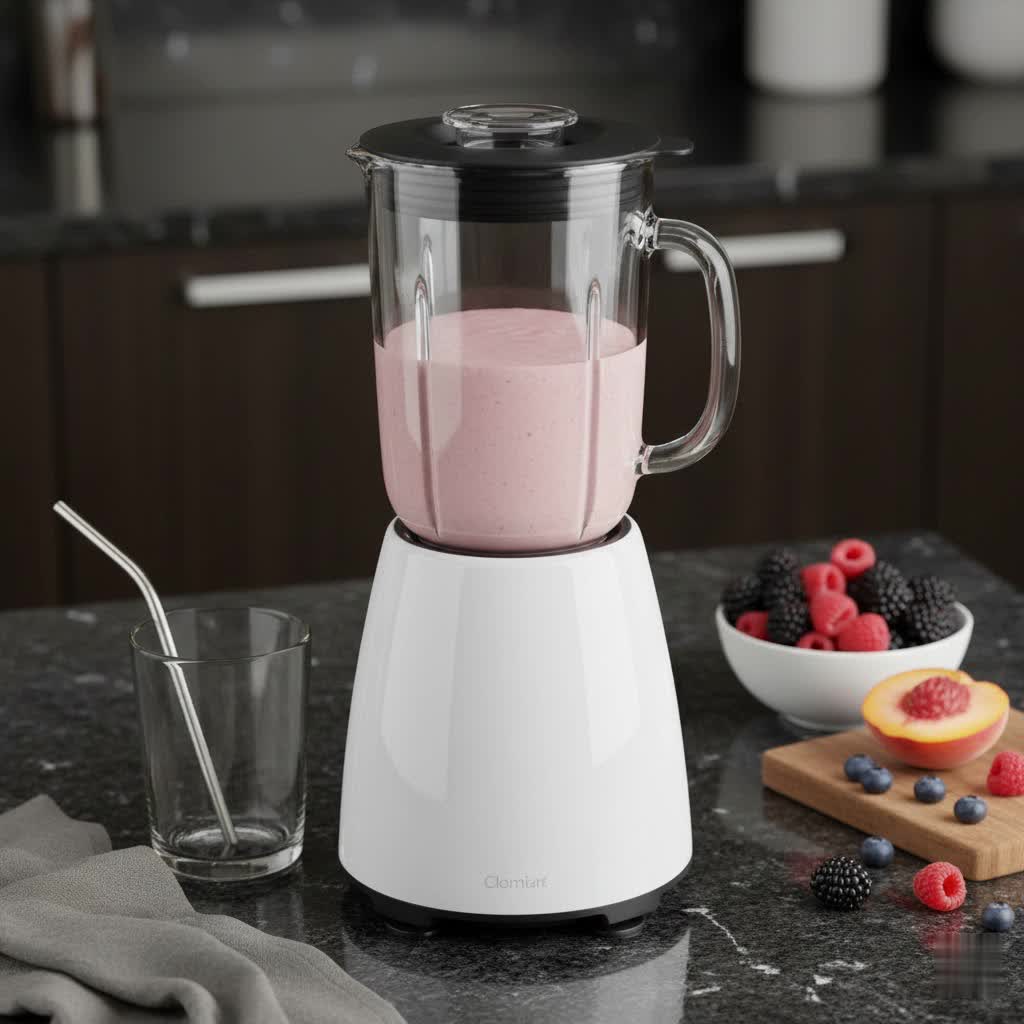
Blenders are multifaceted kitchen appliances designed to chop, puree, and blend ingredients into smooth concoctions, retaining the entire food product. They are the go-to for a wide array of recipes beyond just drinks.
- Countertop Blenders: These are the most common type, featuring a jar with blades at the bottom and a powerful motor base.
- Standard Blenders: Excellent for everyday tasks like crushing ice, making smoothies, or preparing pie fillings.
- High-Powered Blenders: Offer more robust motors and advanced programs, capable of breaking down tough ingredients like nuts, seeds, and fibrous vegetables into silky smooth textures, often used for nut butters and hot soups.
- Personal Blenders: Compact versions of countertop blenders, ideal for single servings. Their blending jars often double as to-go cups, perfect for busy individuals.
- Immersion Blenders: Also known as stick blenders, these handheld devices have a motor at the end of a blending arm. They allow you to blend ingredients directly in pots or pitchers, making them convenient for pureeing soups or sauces as they cook.
|
Our Picks for the Best Blender in 2026
As an Amazon Associate I earn from qualifying purchases.
|
||
| Num | Product | Action |
|---|---|---|
| 1 | Magic Bullet Blender, Small, Silver, 11 Piece Set |

|
| 2 | nutribullet Full-Size Blender Combo 1200W – NBF50500 - Dark Gray |
|
| 3 | BLACK+DECKER Crush Master Blender, 10-Speeds with Stainless Steel Blades, Black, BL2010BP |
|
| 4 | Ninja UltraCrush Professional Blender | 1000W, XL 72-oz.* Pitcher | Total Crushing Technology | 3 Manual Speeds for Ice Crushing, Smoothies, Sauces & More | Full-Size Blender | Black | BP201 |
|
| 5 | Hamilton Beach Power Elite Wave Action Blender For Smoothies, 40 Oz Glass Jar, 12 Functions Including Puree, Crush Ice, 700 Watts - Black (58148A) |
|
| 6 | Ninja Professional Plus Blender | Max Power Smoothie Blender, Ice Cream Maker, Frozen Drink Mixer & Margarita Machine | 3 Auto IQ™ Presets, 1400 W, 72oz Total Crushing Pitcher | Dark Grey, BN701 |
|
| 7 | BLACK+DECKER PowerCrush Multi-Function Blender with 6-Cup Glass Jar, 4 Speed Settings, Silver |
|
| 8 | bella 10 Speed Countertop Blender, Juicer & Smoothie Maker, Fits-anywhere™ Kitchenware, Slim Flip & Store Design, Dishwasher Safe 48oz Capacity Pitcher & Lid, Stainless Steel Blade, 450 Watt, Oatmilk |
|
| 9 | Aeitto Blenders for Kitchen with 1800W Motor, 68Oz. Large Capacity, 2-in-1 Blender & Grinder Combo, BPA-Free Countertop Professional Blender for Smoothies, Ice Crush, Frozen Drinks, Black |
|
| 10 | Ninja Professional Blender, Smoothie Blender, Drink Mixer, Grinder, Ice Crusher, Frozen Fruit Blending | Professional 1000 W Power, Total Crushing ™ Technology, XL 72-oz. Pitcher Black, Grey, BL610 |
|
Common uses for blenders extend far beyond just beverages. They are indispensable for creamy smoothies, silky soups, delicious sauces, crushing ice, whipping up pancake batter, and even making homemade nut butter. If a recipe calls for a smooth, blended consistency using whole ingredients, a blender is your best bet.
Exploring Various Types of Juicers
Juicers, by contrast, are specialized appliances engineered to extract liquid from fruits and vegetables, separating the juice from the pulp and fiber. This results in a concentrated, smooth beverage.
- Centrifugal Juicers: These are the most common and often the most affordable type. They work by grinding fruits and vegetables into a pulp with a fast-spinning blade, then using centrifugal force to separate the juice from the pulp through a mesh filter. While quick and efficient, the high speed and heat generated can sometimes lead to nutrient oxidation and enzyme destruction.
- Masticating Juicers (Slow or Cold-Press Juicers): These juicers operate at a slower speed, using an auger to crush and press produce. This gentle process minimizes heat and oxidation, preserving more enzymes and nutrients, and typically yields more juice, especially from leafy greens and wheatgrass.
- Citrus Juicers: Specifically designed for oranges, lemons, limes, and grapefruits, these simple machines efficiently extract juice from citrus fruits, catching seeds and pulp with a strainer.
Juicers are primarily used for making fresh fruit and vegetable juices. They are perfect for a morning glass of orange juice, nutrient-dense green juices, or refreshing fruit and vegetable blends.
Key Differences: Juicers vs. Blenders
While both appliances contribute to a healthier diet, their core functionalities and the end products they create set them apart.
- Functionality: The fundamental difference lies in their processing method. A juicer extracts the liquid, separating it from the fibrous pulp, skin, and seeds. A blender, conversely, processes and pulverizes all ingredients together, incorporating the pulp and fiber into the final product.
- Output Consistency/Texture: Juicers yield a thin, clear, concentrated liquid that is easy to drink and free of solids. Blenders produce a much thicker, often frothy, smoothie-like consistency, or a pureed mixture, as all parts of the ingredients are retained.
- Nutritional Impact: This is a major differentiator. Blenders retain all the dietary fiber from fruits and vegetables. This fiber is crucial for digestion, promotes a feeling of fullness, and can help regulate blood sugar levels. Juicers remove most of the fiber, resulting in a more concentrated nutrient boost that is absorbed quickly into the bloodstream. This rapid absorption can be beneficial for those seeking an immediate vitamin and mineral intake, though it may also lead to a quicker blood sugar spike compared to blended drinks.
- Versatility: Blenders are generally more versatile. Beyond drinks, they can make soups, sauces, purees, batters, and even grind nuts. Juicers are largely specialized for juice extraction, although some models can be used for nut milks or sorbets with additional attachments.
- Waste Production: Blenders are lauded for producing minimal waste, as the entire fruit or vegetable is consumed. Juicers, by their nature, generate pulp waste. While this pulp can sometimes be repurposed in baking, composting, or other recipes, it still represents a leftover material that needs to be managed.
- Cleaning & Maintenance: Generally, blenders tend to be easier to clean, especially models with removable, dishwasher-safe parts. Juicers, particularly masticating types, often have more intricate components and mesh filters where pulp can accumulate, making them more time-consuming to clean thoroughly.
- Price & Space: The cost of both appliances can vary widely, but high-end masticating juicers can be quite expensive. Blenders, especially personal or standard countertop models, can be more budget-friendly. In terms of kitchen footprint, blenders often take up less counter space than many larger juicer models.
Choosing the Right Appliance for Your Lifestyle
The “better” appliance ultimately depends on your individual health goals, dietary preferences, and lifestyle.
- Choose a Blender if you:
- Prefer thicker, more filling drinks like smoothies or meal replacement shakes.
- Want to maximize your fiber intake for better digestion and prolonged satiety.
- Need a versatile kitchen tool for a range of tasks including soups, sauces, and crushing ice.
- Are looking for a generally more affordable and often easier-to-clean option.
- Choose a Juicer if you:
- Prefer thin, clear, pulp-free beverages.
- Are looking for a concentrated dose of vitamins and minerals for quick absorption.
- Want to consume a large volume of produce without the bulk of fiber.
- Are interested in specific juice detoxes or therapeutic juice recipes.
Consider your daily routine. Do you crave a quick, refreshing shot of nutrients, or a hearty, satisfying blend that keeps you full for hours? Your answer will guide your choice.
Maximizing Your Appliance’s Potential: Tips for Use and Care
Regardless of which appliance you choose, proper use and maintenance are key to longevity and optimal performance.
- For Blenders:
- Always add liquids first, followed by soft ingredients, then harder items and ice. This helps the blades catch and blend everything efficiently.
- Do not overfill the blending jar, especially with hot liquids, as pressure can build up.
- Clean immediately after use to prevent food residue from drying and hardening, which makes cleaning more difficult.
- For Juicers:
- Always wash and prep your produce by removing stems, seeds (if large), and tough peels.
- For masticating juicers, feed ingredients slowly to allow the auger to process effectively and maximize yield.
- Disassemble and clean all parts promptly after juicing. Pay special attention to mesh filters where pulp can easily get stuck. Many parts are often dishwasher-safe, but handwashing is recommended for delicate components.
Taking these steps will ensure your chosen appliance serves you well for years to come.
Detailed Comparison Table: Juicer vs. Blender
To further clarify the distinctions, here’s a comprehensive comparison:
| Feature | Blender | Juicer |
|---|---|---|
| Functionality | Blends whole ingredients; pulverizes everything | Extracts liquid, separates pulp/fiber |
| Output Texture | Thick, smooth, pureed, frothy | Thin, clear, concentrated liquid |
| Fiber Content | High (retains all dietary fiber) | Low (removes most fiber) |
| Nutrient Absorption | Slower absorption due to fiber | Faster absorption (concentrated nutrients) |
| Versatility | High (smoothies, soups, sauces, nut butter) | Moderate (primarily juicing; some specialty items) |
| Waste Production | Minimal (uses whole produce) | Significant (pulp waste) |
| Cleaning Ease | Generally easier (fewer parts, often dishwasher-safe) | Generally harder (more parts, intricate filters) |
| Common Uses | Smoothies, protein shakes, purees, soups, sauces, crushing ice, nut milks | Fresh fruit/vegetable juices, green juices, detox drinks |
| Energy Input | High (often needs liquid to operate effectively) | Less liquid needed (processes solids directly for extraction) |
| Feeling of Fullness | Higher (due to fiber content) | Lower (liquid only, less filling) |
Conclusion
Both blenders and juicers are valuable additions to a health-conscious kitchen, each offering distinct advantages. Blenders are your versatile allies for fiber-rich, filling drinks and a broad spectrum of culinary tasks, making them ideal for meal replacements and diverse recipe creation. Juicers, on the other hand, excel at delivering pure, concentrated doses of vitamins and minerals for rapid absorption, perfect for those seeking a quick nutrient boost without the bulk of fiber.
Ultimately, the choice between a juicer and a blender is a personal one, driven by your specific health aspirations, taste preferences, and how you envision integrating these powerful tools into your daily routine. Reflect on whether you prioritize fiber and versatility or concentrated nutrients and a lighter texture. Which appliance best fits your vision for a healthier, more vibrant you?
Frequently Asked Questions
Can I use a blender as a juicer?
While a blender can create a thin liquid from fruits and vegetables, it won’t separate the pulp like a dedicated juicer. To mimic juicing with a blender, you can blend ingredients thoroughly with some liquid and then strain the mixture through a fine-mesh sieve or cheesecloth to remove the fiber and achieve a smoother consistency.
Which is healthier: a juicer or a blender?
Neither is inherently “healthier”; they simply offer different nutritional profiles. Blenders retain all the dietary fiber, which is excellent for digestive health and sustained energy. Juicers provide a concentrated dose of vitamins and minerals that are absorbed quickly, making them ideal for immediate nutrient intake. The best choice depends on your specific health goals and dietary needs.
Do juicers remove all nutrients?
No, juicers do not remove all nutrients. While they strip away most of the insoluble fiber, they extract and concentrate a significant amount of vitamins, minerals, and soluble fiber from fruits and vegetables into a liquid form. This allows for a nutrient-dense beverage that is easily digestible.
What can I do with juicer pulp?
Juicer pulp is a rich source of fiber and nutrients that can be repurposed in various ways. You can add it to muffins, breads, or crackers for extra fiber, use it in vegetable broth, compost it, or even incorporate it into homemade pet treats. This helps reduce food waste and maximizes the nutritional value from your produce.