Navigating the vast world of kitchen appliances to find products that align with specific manufacturing origins can be a daunting task. For discerning consumers who prioritize quality craftsmanship, durability, and supporting regional economies, the quest for blenders made in the USA or Europe often leads to a more rigorous selection process. This guide cuts through the noise, offering an in-depth look at premium blenders from renowned brands with manufacturing roots in these regions, helping you make an informed decision for your culinary needs.
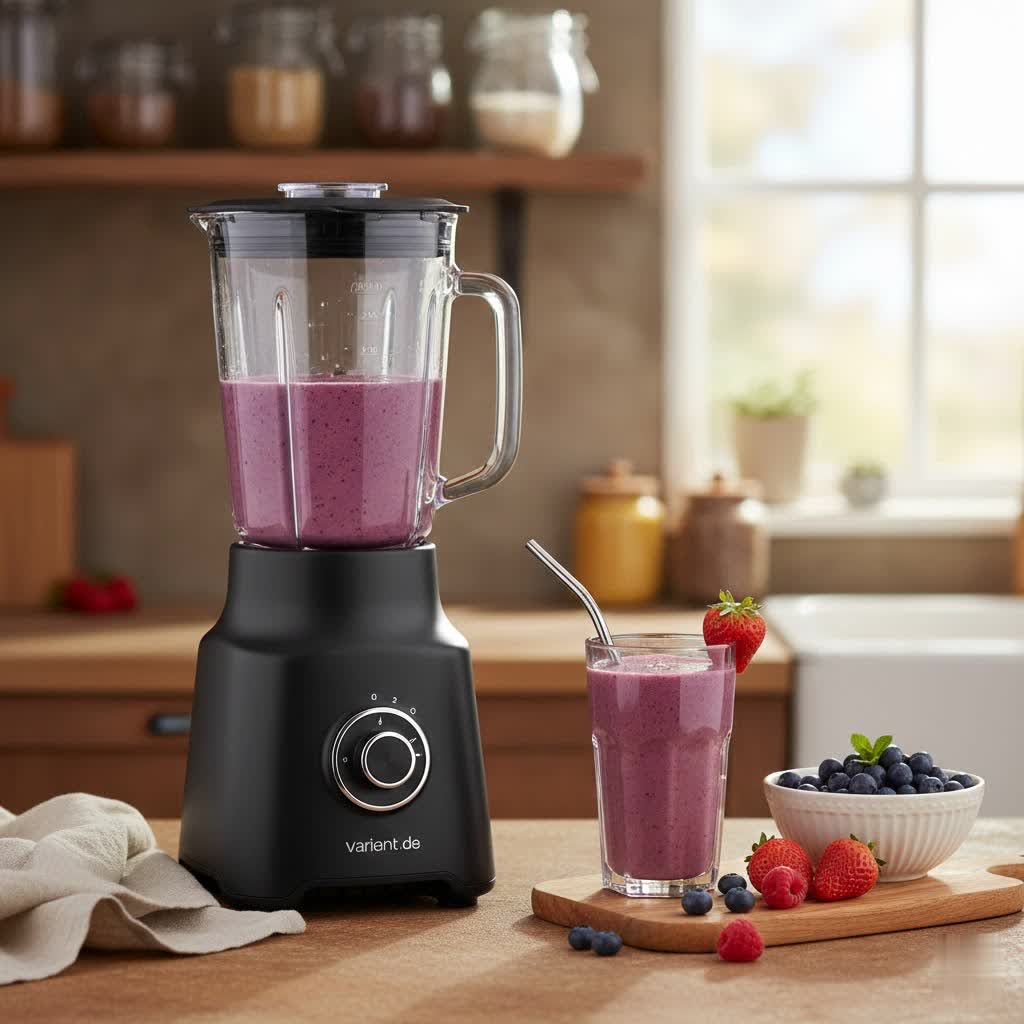
A Comprehensive Guide to Buying Blenders Made in the USA or Europe
Choosing a blender is more than just picking a powerful motor; it’s an investment in your kitchen’s efficiency and your healthy lifestyle. When focusing on blenders manufactured in the USA or Europe, you are often looking at brands synonymous with rigorous engineering, robust materials, and a commitment to longevity.
Types of Blenders from American and European Manufacturers
The landscape of blenders from these regions encompasses a variety of designs, each catering to different culinary ambitions.
- Full-Size Countertop Blenders: These are the workhorses of the kitchen, designed for large batches and demanding tasks like crushing ice, making nut butters, or hot soups. Brands like Vitamix and some KitchenAid models, manufactured in the USA, excel in this category, offering powerful motors and durable construction built to last for years.
- Personal Blenders: Ideal for single servings, smoothies on-the-go, and smaller food prep tasks. While less common for explicit “Made in USA/Europe” claims in this segment, some European brands may offer compact solutions.
- Immersion Blenders (Hand Blenders): Perfect for blending directly in pots and pans, these offer convenience for soups, sauces, and baby food. European brands such as Braun often have strong offerings in this category, with specific models manufactured in countries like Poland or Romania.
- Food Processor Blenders (Hybrid): Some European brands like Magimix, which are proudly made in France, offer powerful blender attachments or integrated blending functions within their versatile food processor systems. These provide a multi-functional solution for various kitchen tasks.
|
Our Picks for the Best Blender in 2026
As an Amazon Associate I earn from qualifying purchases.
|
||
| Num | Product | Action |
|---|---|---|
| 1 | BLACK+DECKER PowerCrush Multi-Function Blender with 6-Cup Glass Jar, 4 Speed Settings, Silver |

|
| 2 | Ninja UltraCrush Professional Blender | 1000W, XL 72-oz.* Pitcher | Total Crushing Technology | 3 Manual Speeds for Ice Crushing, Smoothies, Sauces & More | Full-Size Blender | Black | BP201 |
|
| 3 | Ninja Professional Plus Blender | Max Power Smoothie Blender, Ice Cream Maker, Frozen Drink Mixer & Margarita Machine | 3 Auto IQ™ Presets, 1400 W, 72oz Total Crushing Pitcher | Dark Grey, BN701 |
|
| 4 | Aeitto Blenders for Kitchen with 1800W Motor, 68Oz. Large Capacity, 2-in-1 Blender & Grinder Combo, BPA-Free Countertop Professional Blender for Smoothies, Ice Crush, Frozen Drinks, Black |
|
| 5 | nutribullet Full-Size Blender Combo 1200W – NBF50500 - Dark Gray |
|
| 6 | Ninja Professional Blender, Smoothie Blender, Drink Mixer, Grinder, Ice Crusher, Frozen Fruit Blending | Professional 1000 W Power, Total Crushing ™ Technology, XL 72-oz. Pitcher Black, Grey, BL610 |
|
| 7 | BLACK+DECKER Crush Master Blender, 10-Speeds with Stainless Steel Blades, Black, BL2010BP |
|
| 8 | Magic Bullet Blender, Small, Silver, 11 Piece Set |
|
| 9 | bella 10 Speed Countertop Blender, Juicer & Smoothie Maker, Fits-anywhere™ Kitchenware, Slim Flip & Store Design, Dishwasher Safe 48oz Capacity Pitcher & Lid, Stainless Steel Blade, 450 Watt, Oatmilk |
|
| 10 | Hamilton Beach Power Elite Wave Action Blender For Smoothies, 40 Oz Glass Jar, 12 Functions Including Puree, Crush Ice, 700 Watts - Black (58148A) |
|
Each type serves a unique purpose, and understanding your primary use will guide you toward the most suitable choice among these reputable manufacturers.
Key Factors When Choosing a US or European Blender
When investing in a blender from these premium origins, several factors become even more critical, ensuring you get the best value and performance.
- Motor Power and Performance: A higher wattage generally indicates more power, crucial for tough ingredients like frozen fruits, ice, or fibrous vegetables. Look for blenders with robust motors that can maintain consistent speed under load, a hallmark of American and European engineering.
- Capacity and Design: Consider the size of your household and your typical blending needs. Jug capacities vary widely, from personal cups to large 64-ounce containers. Ergonomics and countertop footprint are also important for daily use.
- Material Quality: The durability of the pitcher (BPA-free plastic or tempered glass) and the blade material (hardened stainless steel is preferred) directly impact longevity and safety. Brands focused on regional manufacturing often emphasize higher-grade materials.
- Blade System and Efficiency: The design and sharpness of the blades, combined with the jar’s shape, create a vortex that ensures efficient blending and smooth results. Advanced blade systems are common in top-tier blenders.
- Functions and Controls: Modern blenders offer a range of features, from variable speed dials and pulse functions to pre-programmed settings for smoothies, soups, or ice crushing. Intuitive controls enhance the user experience.
- Brand Reputation and Manufacturing Origin: For this specific focus, the brand’s commitment to manufacturing in the USA or Europe is paramount. This often translates to stricter quality control, better materials, and support for local labor. Brands like Vitamix (USA) and Magimix (France) are transparent about their manufacturing heritage.
- Price and Warranty: Blenders from these regions often come at a premium, reflecting their quality and ethical manufacturing. However, they typically offer longer warranties, signifying the manufacturer’s confidence in their product’s durability. Consider the long-term value, not just the initial cost.
Top Blenders Made in USA or Europe: A Comparative Overview
Here’s a look at leading brands known for blenders manufactured or significantly assembled in the USA or Europe, emphasizing their unique strengths.
- Vitamix (USA): A household name in high-performance blending, Vitamix blenders are renowned for their robust motors, exceptional durability, and versatility. All Vitamix blenders are proudly made and tested in Ohio, USA, with a significant percentage of components also sourced domestically. They excel at everything from silky smooth soups to dense nut butters, making them a favorite among culinary professionals and health enthusiasts.
- KitchenAid (USA): Known for their iconic stand mixers, KitchenAid also offers a range of blenders. While some components may be globally sourced, KitchenAid blenders are assembled in their Greenville, Ohio factory. They combine stylish design with solid performance, offering various models that cater to everyday blending tasks, from smoothies to crushing ice.
- Magimix (France): A French brand celebrated for its food processors, Magimix also produces high-quality blenders and blender attachments that are designed and manufactured in France. Emphasizing durability and quiet operation, Magimix blenders feature patented BlenderMix technology for optimal blending results, often with heat-resistant glass jugs and powerful motors.
- Bosch (Europe): As a global German engineering powerhouse, Bosch manufactures a wide array of kitchen appliances, with many small domestic appliances, including blenders, engineered and produced in various European factories, such as in Slovenia or Germany. Bosch blenders are known for their precision, reliability, and thoughtful design, often incorporating features for efficiency and user convenience.
- Braun (Europe): A prominent German brand, Braun is particularly recognized for its hand blenders (immersion blenders). Many Braun blenders are manufactured in European countries like Poland and Romania. These blenders are praised for their ergonomic design, powerful motors, and innovative features, making them excellent for a variety of tasks from pureeing to chopping.
Each of these brands brings a legacy of quality and a commitment to manufacturing standards that stand out in the global market.
Finding the Right Blender for Your Budget
Investing in a blender from a USA or European manufacturer typically means a higher price point compared to mass-produced alternatives. However, this investment often translates into superior quality, performance, and longevity.
- Entry-Level (for Premium Brands): Even within these premium brands, you can find more accessible models. These might offer fewer preset programs or a slightly less powerful motor but maintain the core quality and durability standards of the brand. Consider KitchenAid’s simpler models or Braun’s hand blenders for excellent quality within a more modest budget.
- Mid-Range: This segment offers a balance of features and performance. Many standard Vitamix Explorian series models, or mid-tier Bosch blenders, fall into this category, providing excellent versatility for most home cooks.
- High-End/Professional-Grade: For those seeking the ultimate in power, precision, and advanced features, flagship models from Vitamix or Magimix represent the pinnacle. These blenders are designed for heavy-duty use, commercial-level performance, and often come with extensive warranties, justifying their higher cost.
Focus on what features are truly essential for your blending habits to identify the best value within your budget.
Tips for Using and Maintaining Your American or European Blender Correctly
Proper usage and maintenance are key to maximizing the lifespan and performance of your premium blender. These powerful machines are built to last, but care is essential.
- Follow Manufacturer Guidelines: Always refer to your blender’s manual for specific instructions on assembly, operation, and cleaning.
- Layer Ingredients Properly: For optimal blending, always add liquids first, then soft ingredients, followed by leafy greens, and finally frozen items or ice. This helps create an effective vortex.
- Avoid Overfilling: Do not exceed the maximum fill line. Overfilling can lead to spills and strain the motor.
- Use the Tamper (if provided): For thick mixtures like nut butters or frozen desserts, use the tamper to push ingredients towards the blades while the blender is running. Never use utensils that are not designed for the blender.
- Clean Immediately After Use: Rinse the blender jar and blades right after blending to prevent food from drying and sticking. Most high-performance blenders offer a self-cleaning function: fill the jar with warm water and a drop of dish soap, then run it on high for 30-60 seconds.
- Store Properly: Ensure all components are completely dry before storing to prevent odors and mildew. Store the blender base and jar in a clean, dry place.
- Regular Inspections: Periodically check the blades for wear and tear, and the base for any loose connections. Contact customer service for any concerns, leveraging the often superior warranty and support of these brands.
Detailed Comparison Table of Leading Blenders
| Feature | Vitamix (USA) | KitchenAid (USA) | Magimix (France) | Bosch (Europe) | Braun (Europe) (Hand Blenders) |
|---|---|---|---|---|---|
| Primary Origin | USA (Ohio) | USA (Ohio assembly) | France (Burgundy) | Various European factories (e.g., Slovenia) | Poland, Romania |
| Motor Power | Very High (2.0 – 2.2 peak HP common) | High (1.5 – 3.0 HP) | High (typically 1200W – 1500W) | Moderate to High (1000W – 1200W common) | Moderate (450W – 1000W) |
| Typical Capacity | Large (48-64 oz) | Medium to Large (48-60 oz) | Medium to Large (48-67 oz) | Medium to Large (50-60 oz) | Direct in pot/cup (variable) |
| Blade Material | Laser-cut, hardened stainless steel | Hardened stainless steel | High-grade stainless steel (Sabatier steel) | Stainless steel | Stainless steel |
| Jar Material | BPA-free Tritan co-polyester | BPA-free plastic or Glass | Heat-resistant Glass | BPA-free Tritan or Glass | BPA-free plastic, stainless steel |
| Key Features | Variable speed, pulse, presets, self-cleaning | Variable speed, pulse, adaptive motor, presets | BlenderMix technology, automatic programs | German engineering, efficient, durable, quiet | Ergonomic, SmartSpeed, splash control, attachments |
| Durability | Exceptional, built for longevity | Very good, sturdy construction | Excellent, industrial-grade motor, long warranty | Very good, reliable, quality components | Good, robust for its category |
| Ideal For | All tasks, professional & home use | Everyday blending, stylish kitchens | Multi-tasking, gourmet prep, quiet operation | Efficient daily use, diverse recipes | Soups, sauces, baby food, quick tasks |
Your Ultimate Buying Guide for Premium Blenders
Choosing a blender from the USA or Europe isn’t just about country of origin; it’s about investing in a tradition of engineering excellence and quality that few other regions can match. These blenders often feature more powerful motors, superior construction materials, and a commitment to durability that translates into years of reliable service in your kitchen.
When making your final selection, consider the following: what is your primary blending need? Are you a daily smoothie maker, an aspiring chef creating complex sauces, or someone who values the convenience of blending directly in a pot? Your answer will guide you to the right type of blender and the specific features you’ll prioritize. For unmatched power and versatility, American-made Vitamix stands out. For a blend of style and everyday functionality, KitchenAid offers compelling options. If European precision and quiet operation are your preference, Magimix, Bosch, and Braun provide exceptional choices tailored to various kitchen tasks. Regardless of your choice, opting for a blender from these regions means choosing a product designed to perform, built to last, and crafted with meticulous attention to detail.
Frequently Asked Questions
What makes blenders from the USA or Europe typically more expensive?
Blenders from the USA or Europe often incur higher manufacturing costs due to stricter labor laws, higher wages, superior material sourcing, and advanced engineering processes. These factors contribute to a product designed for greater durability, higher performance, and more rigorous quality control, justifying the premium price point.
Can I find a high-quality personal blender made in the USA or Europe?
While many personal blenders are mass-produced globally, some reputable brands with USA or European origins, such as specific models or lines from KitchenAid, Bosch, or Braun, may offer personal blending options or accessories for their larger systems. It’s best to check the specific model’s manufacturing details to confirm its origin.